




Retinol vs rosehip oil is one of the most searched skincare comparisons online, especially among people trying to improve texture, acne, or signs of aging without irritating their skin. Both ingredients are associated with vitamin A activity, but they behave very differently in the skin — and neither should be evaluated without considering the health of the skin barrier first.
Modern skincare conversations often focus on actives, percentages, and trends, but skin physiology is built on structure. The outer barrier of human skin is not made of plant oils, silicones, or fragrance blends. It is composed of cholesterol, fatty acids, and ceramides arranged in a precise lipid matrix that controls hydration, inflammation, and tolerance. When that structure is compromised, even well-studied ingredients like retinol can trigger redness, peeling, and chronic sensitivity.

Retinoids: Powerful, Proven, and (Generally) Safe
Let’s be clear: retinoids work. Unless you’ve experienced an allergy or significant sensitivity, topical vitamin A derivatives are among the most effective and proven ingredients for targeting the signs of aging, clearing acne, and brightening pigmentation. The key player here is retinoic acid—widely used in dermatology because it the only form of vitamin A that directly communicates with skin cells to trigger collagen production and renewal. However, irritation is common, especially in dry, reactive, or post-procedure skin. Increased sun sensitivity, flaking, and barrier disruption are well-documented side effects when the skin is not properly supported.
In corneotherapy, the focus shifts from stimulating the skin to restoring the lipid architecture that allows the skin to function normally. When the barrier is intact, the skin tolerates actives better, heals faster, and maintains hydration without constant irritation. When the barrier is weak, even mild ingredients can cause inflammation. This approach is especially important for people with acne-prone, rosacea-prone, eczema-prone, or post-procedure skin, where repeated irritation can prolong healing and worsen inflammation. We have found that consumers who have struggled with retinol irritation or inconsistent results from botanical oils often respond better to structured lipid formulas designed to support the skin rather than overwhelm it.
But What About Rosehip Oil as a Natural Retinoid?
Rosehip oil is often promoted as a natural alternative because it contains small amounts of vitamin A compounds along with essential fatty acids and antioxidants. These components may support healing and collagen activity, but the concentration of active retinoids in rosehip oil is inconsistent and much lower than in controlled retinol formulations. Because plant oils vary depending on harvest, extraction, and storage, results are unpredictable compared with standardized skincare ingredients. This is why many people feel caught between two extremes. Retinol works, but it can be too aggressive for sensitive skin. Rosehip oil feels gentle, but it does not deliver visible, consistent results. The missing factor in this comparison is barrier biology.
Pregnancy and Retinol: A Gray Area Worth Respecting
The real concern around vitamin A isn’t topical irritation—it's teratogenicity (the potential to cause birth defects). However, this risk only applies to oral retinoids like isotretinoin (Accutane). So far, no clinical trials have proven topical retinoids are harmful during pregnancy—but that’s because no one wants to take the legal risk of studying it. Due to ethical concerns, clinical trials to establish the safety of retinoids in pregnant women will most likely never be conducted.
If you are like me and prefer to take a cautious approach and avoid all forms of vitamin A during pregnancy and lactation, that is a completely valid decision. So for those who are planning to conceive, expecting, or nursing, I often recommend opting for products with other active ingredients such as:
-
Lactic acid (gentle exfoliant)
-
Glycolic acid (stimulates skin renewal)
-
Vitamin C (brightens and protects)
Our Beleza by Z Tallow Skin Tint 4-in-1 Serum is a perfect multitasking serum for pregnancy-safe radiance. And if you’re skipping topical vitamin A, remember you can still support your skin from within. Beef liver is nature’s most bioavailable source of retinol!
Want an Effective Retinoid Without the Side Effects?
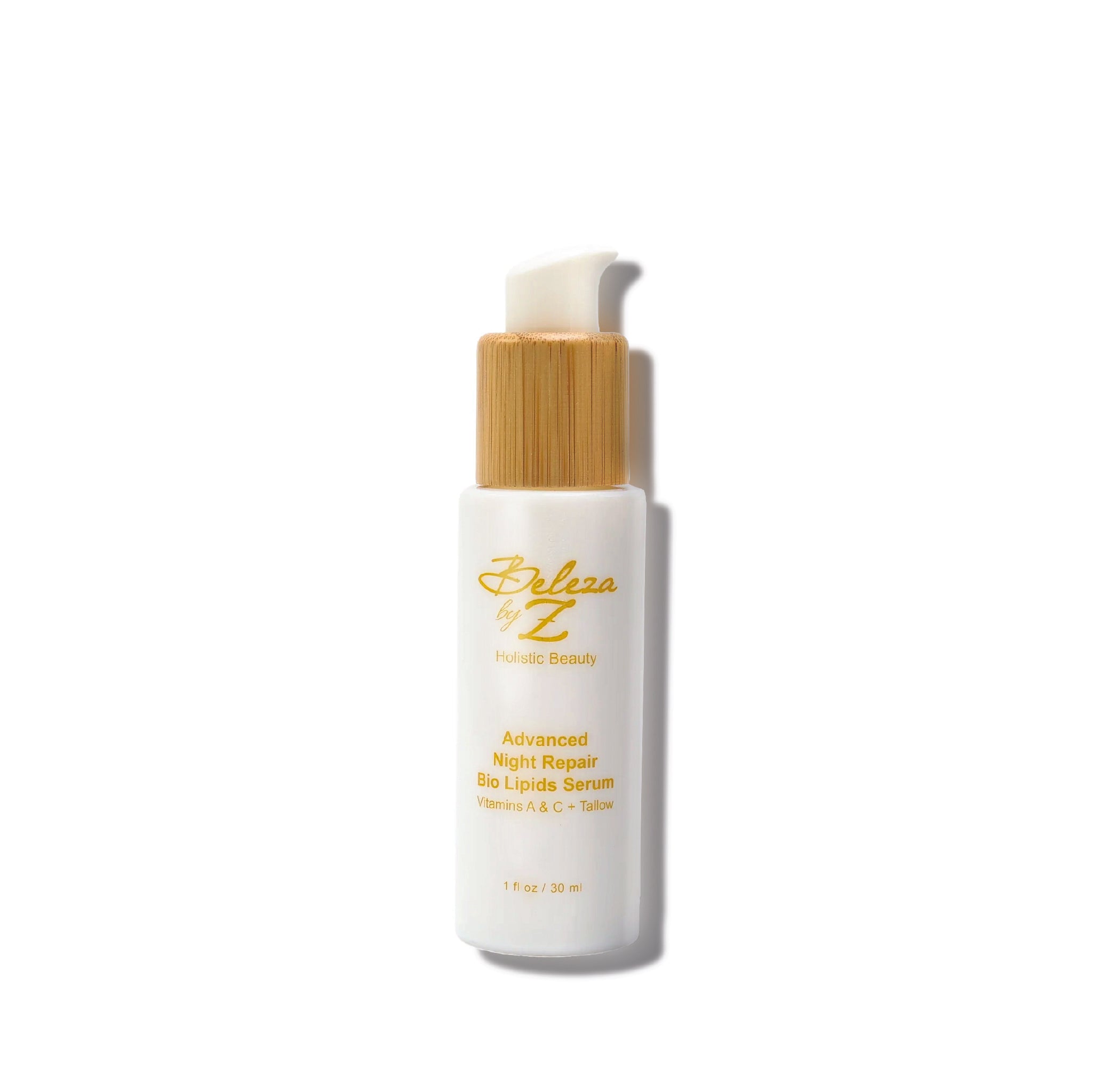
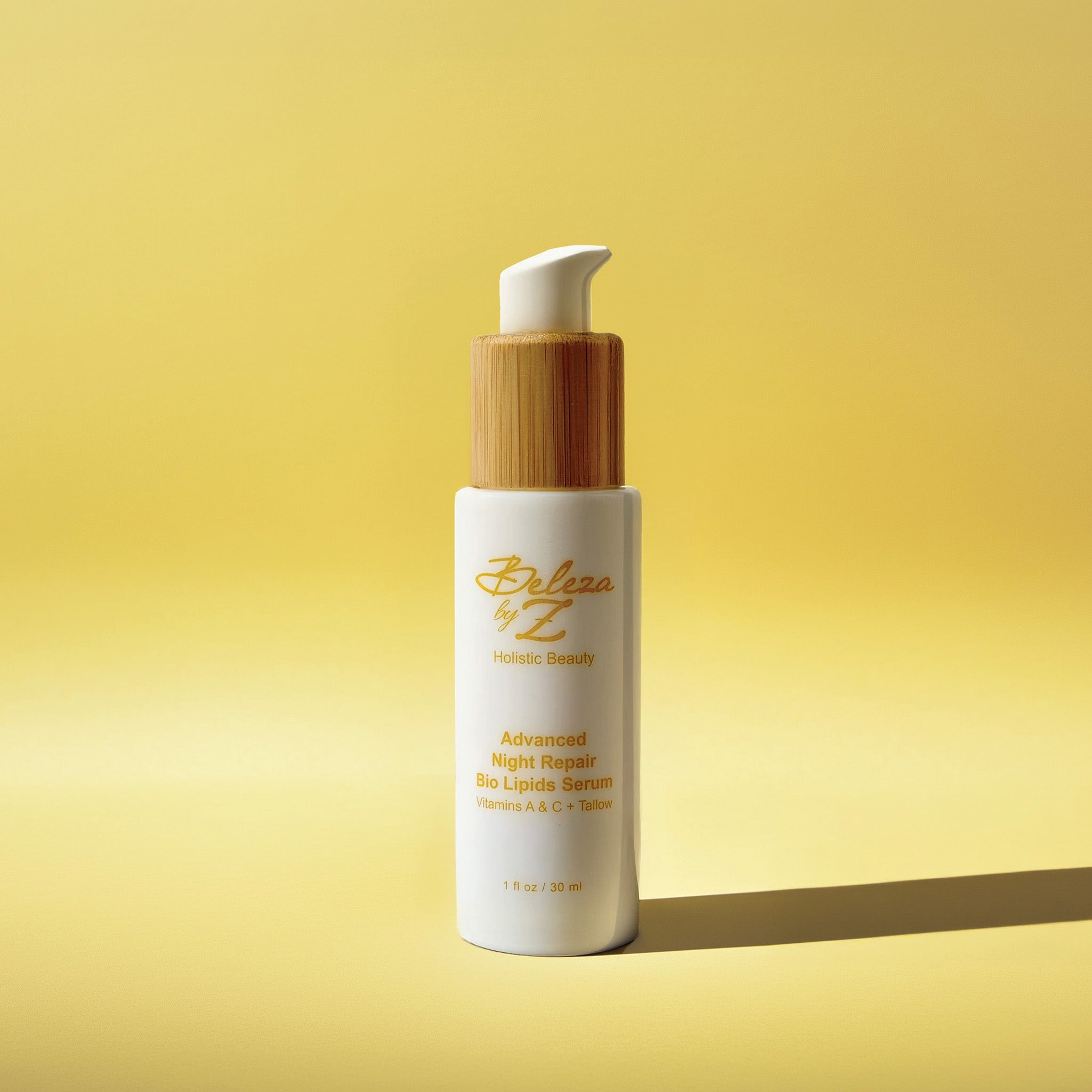
If you're seeking the benefits of vitamin A without the peeling, redness, or irritation, our Advanced Night Repair Bio Lipids Serum is a results-driven alternative rooted in corneotherapy, designed for dry, sensitive, or reactive, acne-prone, and post-procedure skin that cannot tolerate conventional skincare. What sets it apart is our BioLipid Skin Science™ delivery system. We merge active ingredients into a base of bio-identical lipids derived from suet-rendered beef tallow—an emollient identical in composition to the skin’s natural sebum. These lipids help reinforce the skin barrier while acting as a transdermal carrier, allowing actives like retinoids and antioxidants to penetrate more efficiently and perform without disruption or dryness.

For the record:
-
Retinoids are not inherently toxic, but caution during pregnancy is wise.
-
Rosehip oil contains traces of retinoic acid—just not enough to truly stimulate collagen production in aging skin.
-
When choosing a vitamin A product, concentration and form matter way more than marketing.
1 comment
I have Lupus and a few years ago in 2019 my hair started to fall out. I immediately started working on some sort of Solution to apply to my scalp. I was surprised to find out that Biotin could not be absorbed topically for the results I wanted to achieve so I started mixing oils. Coconut, Vitamin E, Tea Tree, Olive Oil and Vitamin A to start with. I also mixed in Castor oil but it was obviously too heavy to mix w/ the others & I started to add Castor oil to my scalp on alternate days. I know my formula (ingredients) is a bit redundant but that’s why I’m still researching. Is there a topical retinoid that can be applied to the scalp? Would it be more prudent to scrap one of these above oils for Rose hip oil or should I stick with Vitamin oil and if so where does one find Vitamin A Oil that doesn’t have sugars or flavors? It’s been quite a chore for me. I’ve even bought the gel caps and squeezed out the liquid capsule by capsule to only end up with maybe 1/4 cup oil from 200 plus capsules. Could I use a fish oil alternative (though the smell would then be an issue)? I also don’t want to induce Vitamin A toxicity by combining the same Vitamin A laden ingredients together. Any thoughts on this matter? Tho my hair has grown back a bit thicker than before and I’ve seemed to suffer no I’ll affects , I’d like to help my Mother grow hers back too. Have you any knowledge to share regarding Vitamin A and hair regrowth?
Leave a comment