


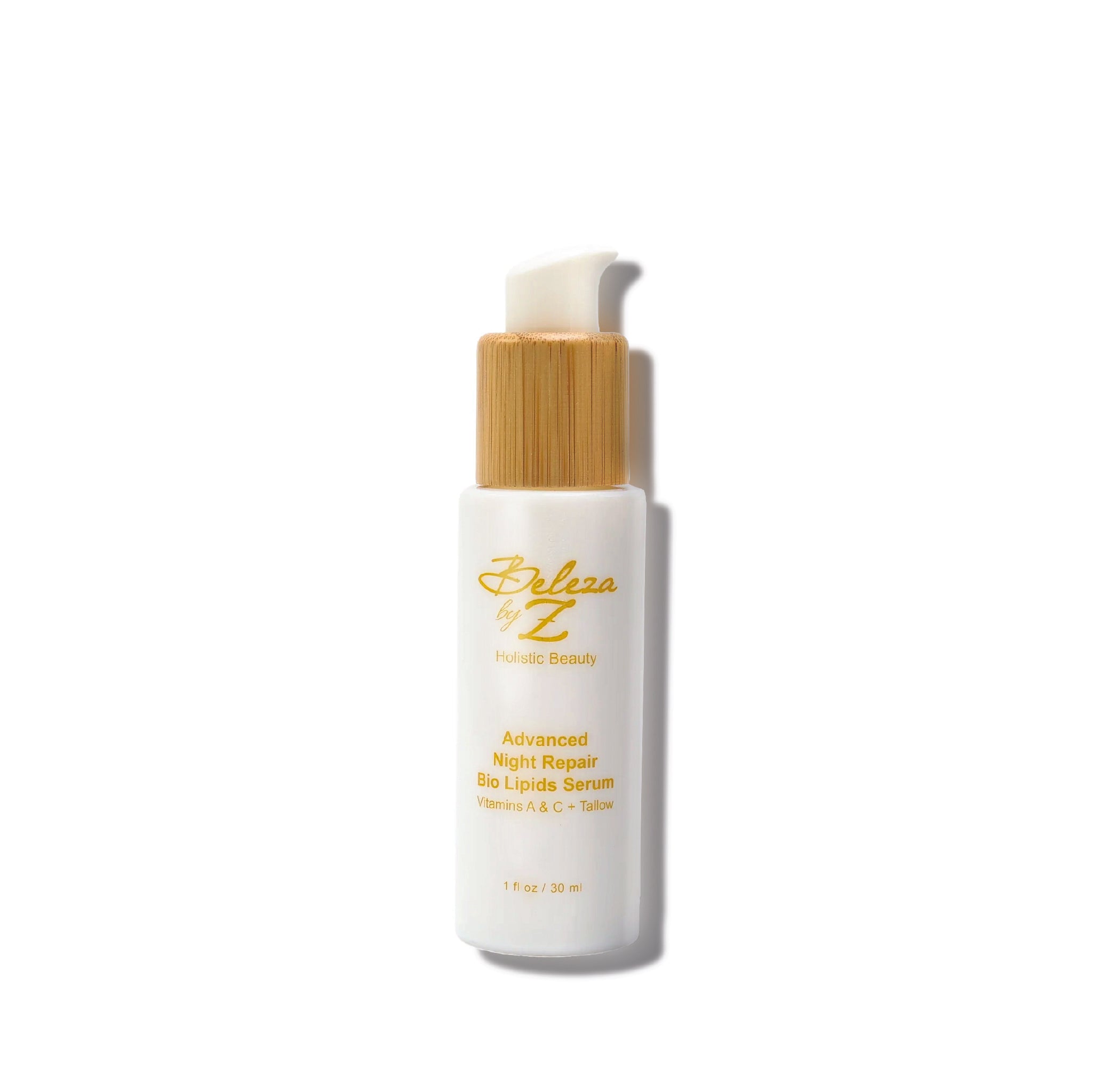
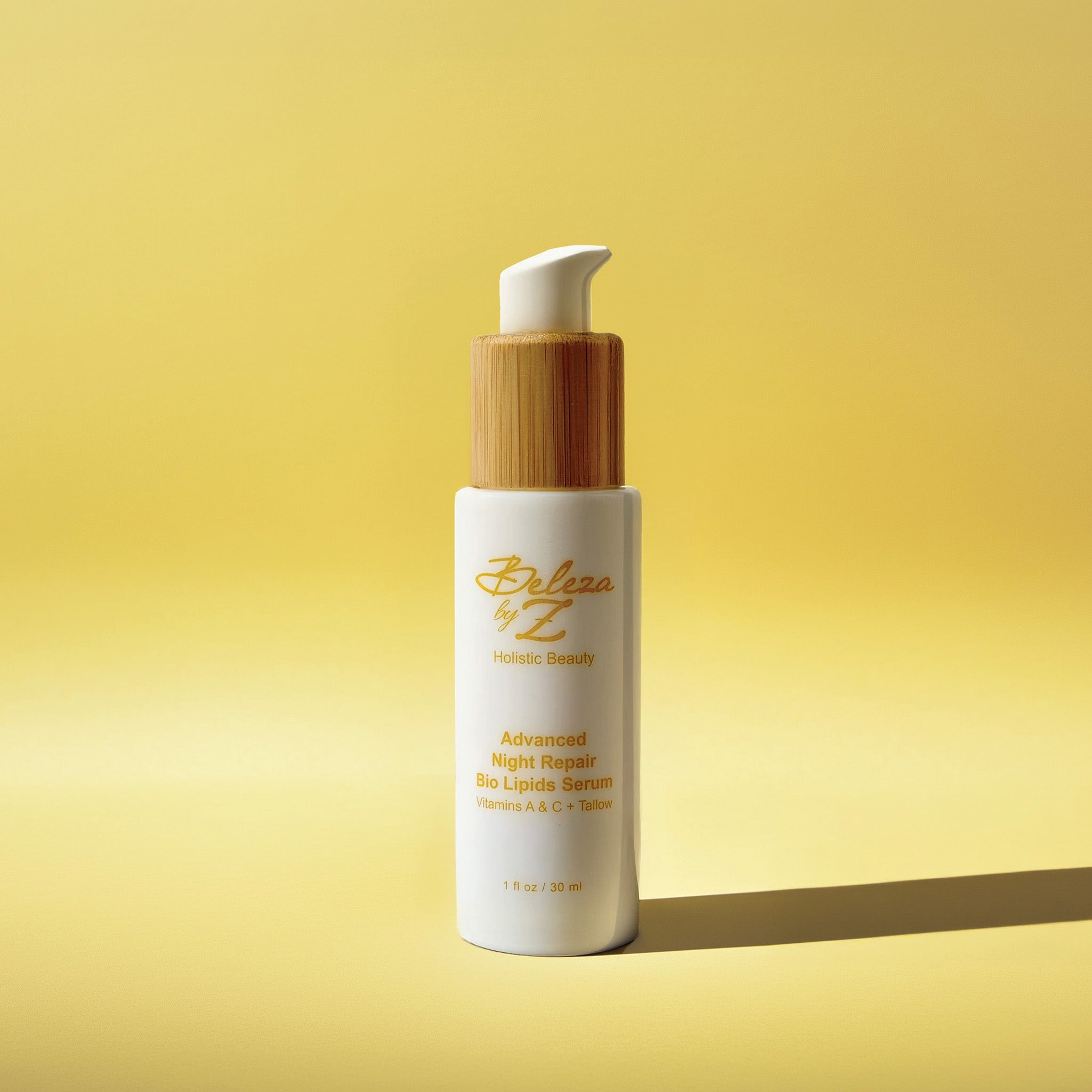


In professional skincare, we often talk about the skin barrier as though it is the entire story. And to be clear, the barrier matters tremendously.
A healthy stratum corneum helps regulate hydration, protects against environmental stressors, and serves as the skin's first line of defense. When the barrier becomes compromised, redness, irritation, dryness, and sensitivity often follow. Restoring those protective lipids is one of the most important things we can do for reactive skin.
Yet after years of working within the sensitive skin niche, we observed something interesting.
Some individuals do everything correctly. They simplify their routine. They stop over-exfoliating. They use gentle cleansers and barrier-supportive moisturizers. They avoid obvious irritants. And still, their skin remains chronically reactive.
The question becomes: why? The answer may be that not all inflammation begins at the surface.
The MTHFR Gene Matters for Skin Health
The skin is often a reflection of what is happening throughout the body. Hormonal fluctuations, chronic stress, sleep disruption, nutrient deficiencies, gastrointestinal dysfunction, autoimmune activity, blood sugar instability, and genetic predispositions can all influence how effectively the skin repairs itself. When inflammation is being driven internally, even the most elegant skincare routine may only address part of the equation.
This is where conversations surrounding methylation and genetic variations such as MTHFR have gained attention in recent years.
MTHFR is short for methylenetetrahydrofolate reductase, an enzyme involved in several biochemical processes, including the metabolism of folate. Certain genetic variations may influence how efficiently these pathways function in some individuals. While the science continues to evolve, many practitioners believe these pathways can influence inflammatory burden, detoxification capacity, and overall physiologic resilience. The important point is not the gene itself. The important point is understanding that skin health is rarely isolated from the rest of the body.
As skincare professionals, we sometimes inherit clients who have spent years chasing solutions through stronger peels, higher concentrations of active ingredients, and increasingly complex routines. Yet when the underlying drivers of inflammation remain unaddressed, the skin often stays trapped in a cycle of temporary improvement followed by relapse.
This is particularly common among individuals experiencing chronic redness, rosacea-prone skin, eczema, psoriasis, unexplained sensitivity, or a persistent feeling that their skin "reacts to everything."
In these situations, the goal should not be to force the skin into submission. The goal should be to reduce inflammatory load while supporting the skin's ability to function normally again.

Supplements to Approach with Caution
Inflammation and the Standard American Diet
- Methrotexate
- Nitrous Oxide
- Alcohol
- Sugar and refined carbs (breads, pastas, cereals, pastries)
- Processed and fortified foods
- Vegetable seed oils
- Dairy (for some individuals, due to fortified folic acid and gut sensitivity)
- Liver
- Eggs
- Avocado, coconut oil, olive oil (unheated)
- Butter
- Beef tallow (a core element of Beleza by Z’s philosophy)
- Omega-3s from wild-caught fish (salmon, cod liver)
When Medical Interventions Add to the Burden

Research continues to demonstrate the close relationship between inflammation and barrier function. When inflammation increases, barrier recovery becomes impaired. When barrier function declines, inflammation often worsens. The two exist in a continuous cycle, each influencing the other. This is one reason why aggressive skincare approaches frequently backfire in sensitive skin populations.
Many people assume that more stimulation produces better results. In reality, chronically inflamed skin often requires the opposite approach. Fewer products. Fewer variables. Less irritation. More respect for the biology of the skin.
Corneotherapy has embraced this philosophy for decades. Rather than viewing the skin as something that must constantly be corrected, resurfaced, or challenged, corneotherapy recognizes the remarkable ability of the skin to repair itself when given the proper environment. The focus shifts from forcing change to supporting function.
That philosophy has influenced our approach to formulation from the beginning.
At Beleza by Z, the goal is to support the structural integrity of the barrier itself through biologically compatible ingredients that work with the skin rather than against it.
Explore the collection here: https://belezabyz.com/collections/skin-care
Because sometimes the most persistent skin conditions are not the result of a missing serum. They are a reflection of a body asking for restoration, both inside and out.
Deje un comentario