


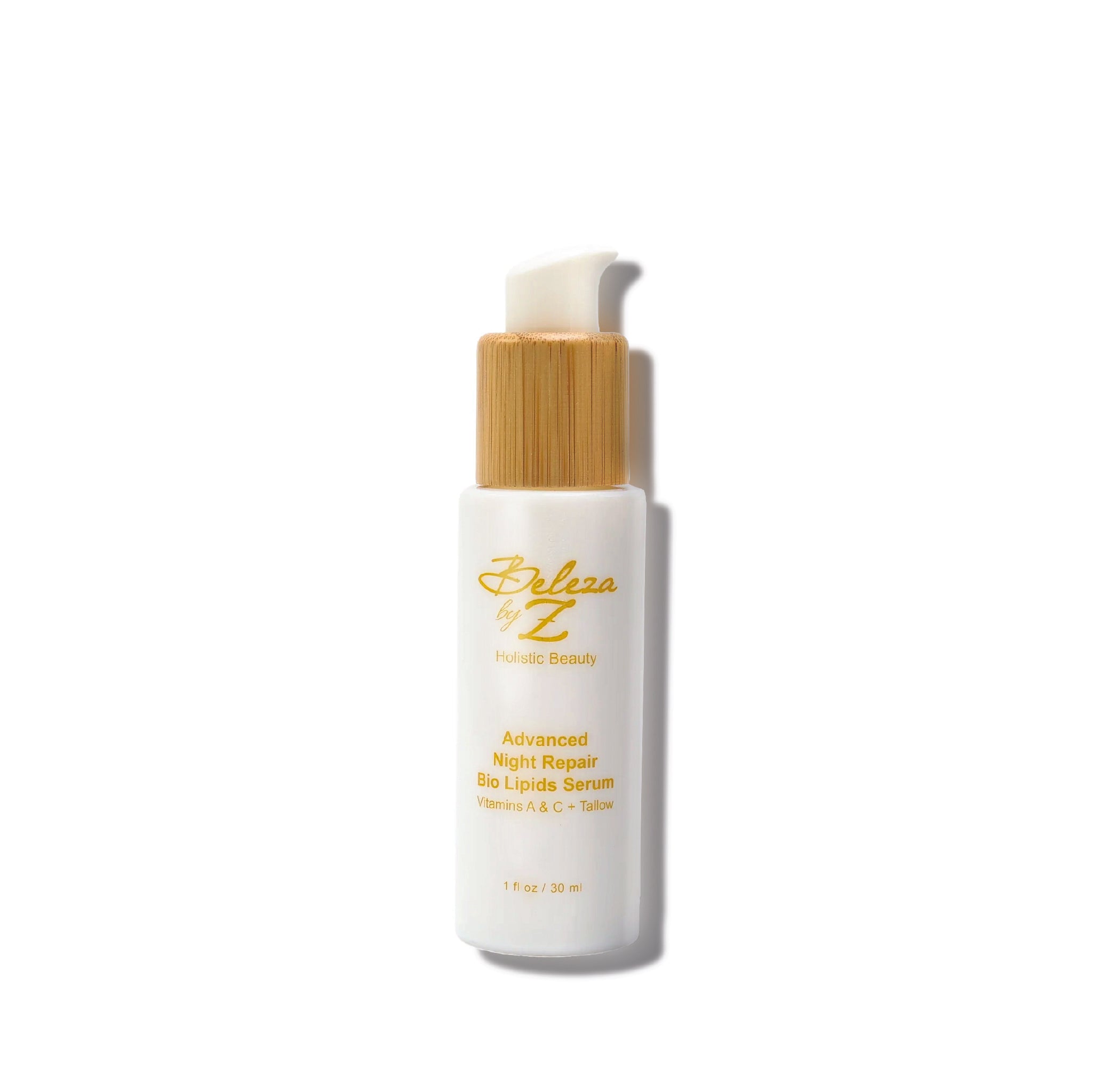
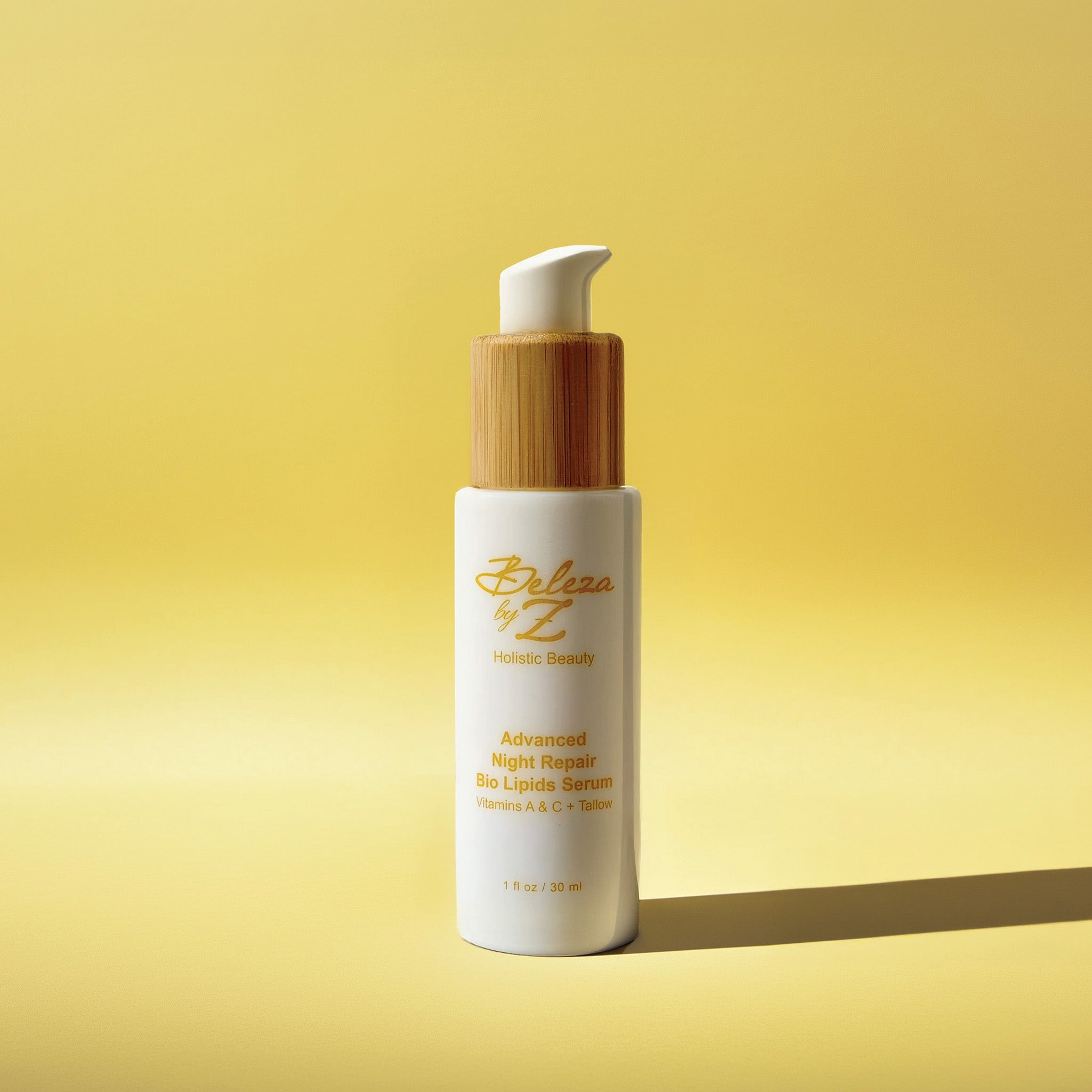


Modern skincare often treats exfoliation as a race toward stronger acids, harsher scrubs, and faster results. In clinical practice, however, the goal is not simply to remove dead skin cells. The goal is to support the natural desquamation process without damaging the lipid architecture that allows the skin barrier to function. At Beleza by Z, our formulations are rooted in corneotherapy, a discipline of skin science that recognizes that healthy skin is not created by stimulation alone, but by preserving the structure of the stratum corneum. This is the foundation of our proprietary BioLipid Skin Science™ system, where exfoliating actives are delivered within a lipid system designed to mirror the composition of human skin itself.

The outermost layer of the skin sheds nearly one million cells each day. This process, known as desquamation, depends on enzymes, hydration, and an intact lipid matrix composed of cholesterol, fatty acids, and ceramides. When this system is disrupted by inflammation, excessive sun exposure, hormonal shifts, nutritional deficiencies, or aggressive skincare, cells accumulate on the surface instead of shedding naturally. The result is dullness, breakouts, rough texture, uneven pigmentation, and increased sensitivity. Correct exfoliation can restore this cycle, but only when it is performed in a way that respects barrier biology.

Physical Exfoliation and Why It Can Damage Sensitive Skin
Physical exfoliation relies on friction to remove surface cells. Ingredients such as sugar, walnut shell powder, coffee grounds, bamboo powder, and other abrasives can polish the skin temporarily, but they do not address the underlying desquamation process. More importantly, repeated mechanical exfoliation can create micro-tears in the stratum corneum, disrupt lipid organization, and trigger inflammation that leads to post-inflammatory hyperpigmentation, dryness, and chronic reactivity. While these methods may be tolerated by thicker or oilier skin, they are rarely ideal for sensitive, acne-prone, post-procedure, or barrier-impaired skin.
How Chemical Exfoliation Supports Natural Desquamation
Chemical exfoliation works differently. Instead of scraping the surface, acids, enzymes, and retinoids help release the bonds between corneocytes so that the skin can shed in a controlled and physiologic way. When properly formulated, chemical exfoliation supports renewal while preserving structural integrity. The problem is that many modern exfoliating products are built on silicone bases, seed oils prone to oxidation, or overly complex botanical blends that do not resemble the lipid composition of human skin. When the delivery system is incompatible with the barrier, even gentle exfoliating actives can become irritating.
BioLipid Skin Science™ — Chemical Exfoliation in a Bio-identical Lipid Delivery System
This is where our BioLipid Skin Science™ system changes the conversation. Human skin is not built from synthetic slip agents, nor from unstable plant oils high in polyunsaturated fats. The intercellular matrix of the stratum corneum is composed primarily of saturated and monounsaturated lipids — the same structural profile found in properly purified suet-derived tallow. When exfoliating ingredients are delivered within a bio-compatible lipid environment, the skin can renew without losing its protective function. Instead of stripping the barrier, the skin is supported while it sheds.
In our professional skincare for sensitive skin formulations, exfoliating actives are combined with a stabilized lipid base that reinforces barrier integrity during the renewal process. This approach reflects the principles of corneotherapy, where restoration of the barrier always takes priority over aggressive resurfacing. Because the lipid system is purified, deodorized, and manufactured under controlled laboratory conditions, it provides the stability required for professional skincare while maintaining a sustainability profile that aligns with modern values. Our use of suet-derived lipids follows a nose-to-tail philosophy, utilizing a material that would otherwise be discarded, reducing waste while producing a highly biocompatible emollient. For those who prefer plant-based skincare for environmental reasons, this approach offers a meaningful alternative: fewer crops, less processing, and a formulation that works in harmony with skin physiology.
When exfoliation is performed within a lipid-supportive system, the results are different. Skin appears clearer without becoming tight. Texture improves without triggering sensitivity. Acne-prone skin becomes more tolerant. Post-procedure skin heals more efficiently. This is not because the exfoliant is stronger, but because the barrier is preserved.
For those with dry, reactive, acne-prone, or post-treatment skin, exfoliation should never be separated from barrier repair. This is why the Beleza by Z protocol pairs renewal with lipid restoration. Our gentle BHA exfoliating cleanser for sensitive skin uses salicylic acid chemical exfoliant delivered in a BioLipid base to loosen buildup without stripping the skin, followed by retinol for sensitive skin barrier serum with bio-identical lipids, which supports regeneration with encapsulated retinol while reinforcing the lipid matrix the skin needs to remain resilient. Exfoliation should not leave the skin feeling raw. When done correctly, it should leave the barrier stronger than before.

This article reflects the corneotherapy-based formulation philosophy behind Beleza by Z BioLipid Skin Science™, a professional tallow skincare system developed by a medical aesthetician for sensitive, reactive, acne-prone, and post-procedure skin.
Laissez un commentaire