




The Real Cause of Acne Is Rarely Your Skincare
If you have inflamed skin, struggled with acne or chronic breakouts and if you’ve tried everything— better skincare, stronger actives, more exfoliation, gentle cleansers, acne serums, oil-free products, laser or prescription treatments—and your acne or inflammation keeps coming back, this may be difficult to hear: Your skincare is probably not the root cause. While these tools can be helpful, they rarely address the deeper reasons why the skin became inflamed in the first place.
In many cases, acne has very little to do with skincare itself. Skin is not an isolated organ. It reflects what is happening internally, especially in the gut, the immune system, and the hormonal environment. When those systems are under stress, the barrier becomes weaker, healing slows down, and the skin becomes more prone to breakouts no matter how many products are used. This is why a more complete approach to acne has to start with understanding the gut-skin axis.

Understanding the Gut–Skin Axis
The gut and the skin are closely connected through immune signaling, inflammation, and nutrient absorption. When digestion is compromised, the body may not properly break down or absorb the nutrients needed for healthy skin function. At the same time, intestinal permeability—often called “leaky gut”—can allow inflammatory compounds to circulate through the bloodstream. These signals can show up in the skin as redness, acne, sensitivity, or delayed healing. When the gut barrier is irritated, the skin barrier often follows. The gut and the skin are in constant biochemical conversation. Your gut microbiome regulates:
-
inflammation
-
immune signaling
-
hormone metabolism
-
nutrient absorption
-
detoxification pathways
How Diet and Lifestyle Influences Hormones—and Why That Matters for Acne
Diet plays a much larger role in acne than most people realize. Blood sugar spikes, inflammatory foods, and nutrient deficiencies can influence hormone levels, sebum production, and immune response. Elevated insulin and androgen activity, for example, can increase oil production and make pores more prone to congestion. At the same time, chronic inflammation makes it harder for the skin to regulate itself, so even minor triggers can lead to breakouts.
Another factor that is rarely discussed in skincare conversations is the effect of advanced glycation end products, or AGEs. Chronic blood sugar fluctuations promote glycation, a biochemical process in which excess sugars bind to proteins such as collagen and elastin, forming Advanced Glycation End Products. Over time, this reaction alters the structure of the skin itself. Tissue becomes stiffer, the barrier becomes weaker, and the skin’s ability to heal slows down. Post-inflammatory marks tend to linger longer, and the skin often becomes more reactive, with increased redness, sensitivity, and difficulty tolerating products that once felt normal.
These compounds form when sugars react with proteins and fats in the body, especially in diets high in processed foods and oxidized (seed) oils. Glycation contributes to inflammation, weakens collagen, and can impair the skin’s ability to repair itself. Over time, this creates a skin environment that is more reactive, slower to heal, and more likely to develop both acne and premature aging. When these internal stressors are present, the skin barrier becomes fragile.

The outer layer of the skin depends on a precise lipid structure made of cholesterol, fatty acids, and ceramides. This lipid matrix controls hydration, tolerance, and protection against irritation. When the body is under inflammatory stress, the skin may not produce or maintain these lipids correctly. The result is a barrier that is easily disrupted, even by products that are considered gentle. Inflamed skin cannot regulate itself properly, so from a corneotherapy perspective, acne is fundamentally a barrier disorder. The skin barrier (stratum corneum) exists to:
-
regulate water loss
-
protect against pathogens
-
maintain a balanced microbiome
Corneotherapy does not treat the skin as something that needs to be constantly stripped and rebuilt. It focuses on preserving the integrity of the stratum corneum so the skin can regulate itself again. When the barrier is respected instead of over-treated, inflammation often decreases and the skin becomes more stable over time. This approach is especially important for people whose acne is accompanied by redness, sensitivity, dryness, or reactions to many products. Understanding this also helps explain why certain ingredients, including tallow, have developed a bad reputation in modern skincare.
It is completely understandable that many skin professionals like dermatologists and aestheticians are skeptical of tallow-based products. Most of what is currently sold online is not professionally formulated. Many products are made using culinary fat, without proper rendering, purification, microbial testing, or stability testing. They are often packaged in open jars, exposed to air and fingers, and preserved with essential oils instead of proper cosmetic systems. For skin that is already inflamed or acne-prone, this combination can easily lead to irritation, breakouts, or infection. However, poorly made products are not the same as properly formulated lipid-based skincare.
For people with chronically damaged barriers — especially those dealing with inflammation related to intestinal permeability — the skin may lose tolerance to many modern cosmetic ingredients. During flare-ups, even gentle plant-based oils or active treatments can cause burning, itching, or breakouts. In these situations, simple, more stable, bio-compatible lipids may be the only emollients the skin can tolerate without triggering another reaction.
The Truth That Changes Everything
Acne rarely comes from one cause, and it rarely disappears because of one product. Healing usually requires commitment to improving diet, supporting digestion, reducing inflammation, balancing hormones, and treating the skin with more restraint instead of more force. When the internal environment improves, the skin often follows. Topical care should make that process easier, not more complicated.
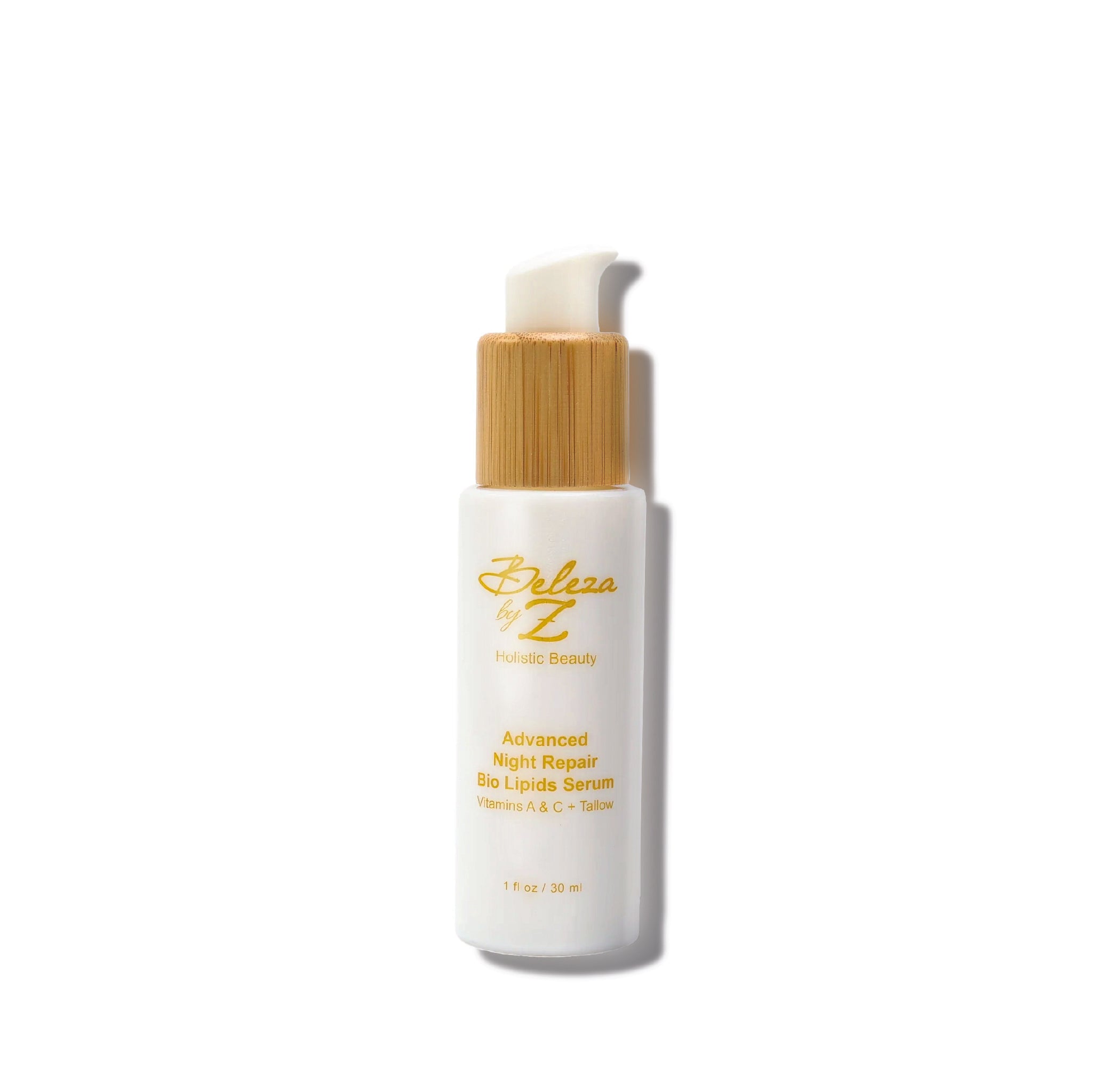
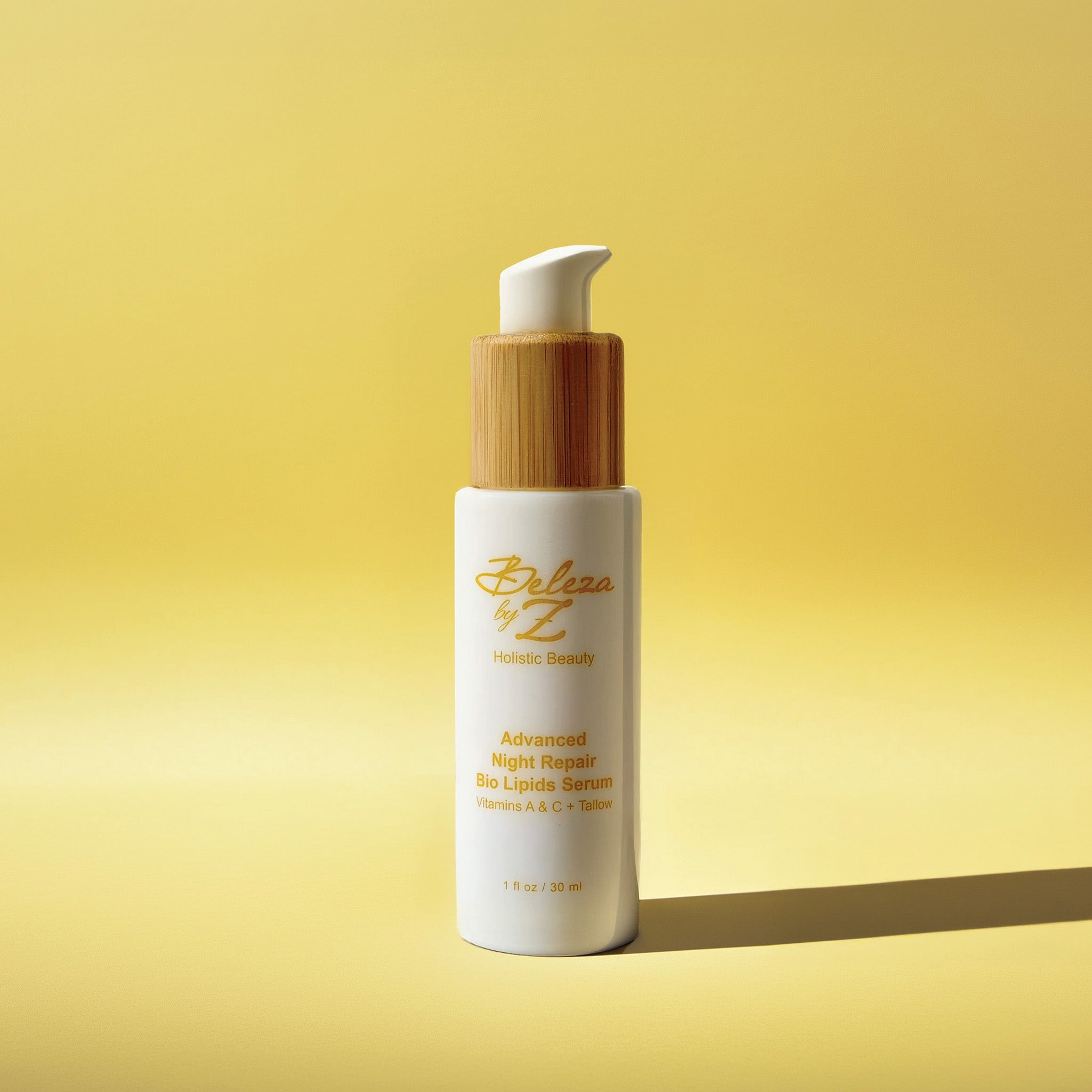
At Beleza by Z, our BioLipid Skin Science™ approach is built around this idea. The goal is not to promise that skincare will cure acne, but to simplify the topical side of the journey for skin that can no longer tolerate aggressive routines.
Leave a comment